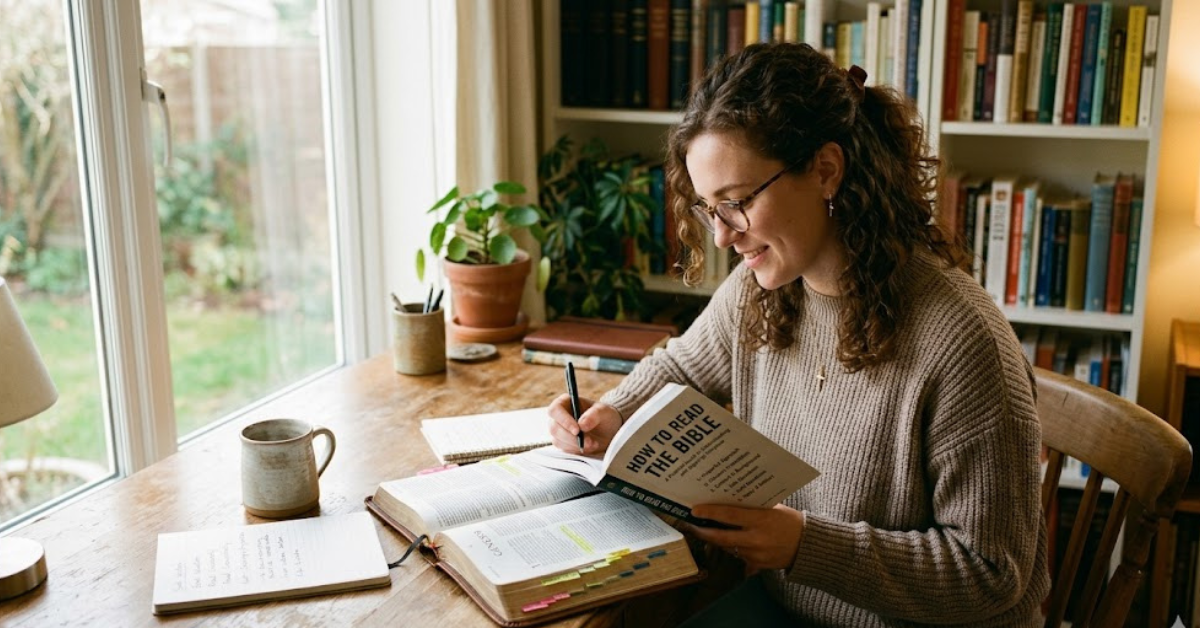
If you’ve ever wondered how to read the Bible, you’re not alone. Many people open it, feel overwhelmed, and don’t know where to start. The truth is, the Bible isn’t meant to be confusing—it just needs the right approach.
Whether you’re opening it for the first time or trying to build a consistent habit, learning how to read it in a structured way makes a huge difference. This guide breaks everything down into simple, practical steps so you can actually understand what you’re reading and stick with it.
Why Reading the Bible Feels Difficult at First
Before learning how to read the Bible for beginners, it helps to understand why many people struggle at the start.
The Bible is:
- A collection of 66 books written over centuries
- A mix of history, poetry, prophecy, and letters
- Written in different styles and cultures
- Deep in meaning, not always meant to be read like a novel
Once you understand that structure, it becomes much easier to approach it with confidence.
How to Read the Bible for Beginners
If you’re new, the best approach is not speed—it’s clarity. The goal is understanding, not rushing.
A simple beginner method includes:
Start with the New Testament
Begin with:
- The Book of John
- The Book of Luke
- Acts
These books focus on the life of Jesus and early Christianity, making them easier to follow.
Read small sections daily
Instead of long chapters:
- Read 1–3 chapters a day
- Reflect on what you read
- Write down key thoughts
This is a practical way of learning how to read the Bible daily without feeling overwhelmed.
Use a simple translation
Choose a version that is easy to understand rather than overly complex language.
How to Read the Bible in Order
Many people search for how to read the Bible in order, but the Bible isn’t arranged like a normal storybook.
It is organized into:
- Old Testament
- New Testament
But not in chronological sequence.
Recommended reading order:
- John
- Luke
- Acts
- Genesis
- Exodus
- Psalms
- Matthew
- Romans
This order helps you understand both the story of Jesus and the foundation of Scripture.
How to Read the Bible Chronologically
If you want a deeper historical flow, try how to read the Bible chronologically.
This method arranges events in the order they happened, not the order of books.
For example:
- Job is one of the earliest stories
- Psalms were written over time during different kings
- The Gospels overlap in timeline
A chronological approach helps you understand the story of God’s plan step by step.
How to Read the Bible in a Year
One of the most popular goals is how to read the Bible in a year or how to read the Bible in one year.
A simple structure looks like this:
- Old Testament: 3–4 chapters daily
- New Testament: 1 chapter daily
- Psalms/Proverbs: 1 section daily
This balanced plan keeps things manageable and consistent.
Tips to succeed:
- Don’t catch up by rushing
- If you miss a day, continue normally
- Focus on consistency, not perfection
This is the most practical way of building a long-term habit.
How to Read the Bible in 6 Months
If you want a faster plan like how to read the Bible in 6 months, you simply double your daily reading.
But here’s the honest truth:
- It requires discipline
- It can feel overwhelming
- It works best with structured reading plans
A slower pace is often more meaningful than speed.
How to Read the Bible Book by Book
Another helpful method is how to read the Bible book by book.
Instead of jumping around, you:
- Finish one book completely
- Move to the next
- Understand context deeply
This is especially useful for books like:
- Genesis
- Matthew
- Romans
- Psalms
It helps you follow themes more clearly.
How to Read the Bible for All Its Worth
A deeper approach is learning how to read the Bible for all its worth.
This means:
- Understanding context
- Knowing historical background
- Paying attention to literary style
- Asking reflective questions
It’s not just reading—it’s interpreting meaning.
How to Read the Bible Daily and Stay Consistent
Consistency matters more than volume. Learning how to read the Bible daily is about building a habit.
Simple daily routine:
- Pick a fixed time (morning or night)
- Read a small section
- Reflect for 2–5 minutes
- Pray or think about application
Even 10–15 minutes daily is enough.
Structured Approaches and Reading Guides
Many people use guides like:
- Bible reading plans
- Devotional apps
- Study groups
- Resources inspired by teachings such as how to read the Bible David Platt or Bible Project how to read the Bible
These tools help simplify structure and improve understanding.
Common Beginner Mistakes
Avoid these early mistakes:
- Trying to read too fast
- Skipping difficult sections completely
- Not reflecting on meaning
- Reading without consistency
Slow, steady reading always works better.
FAQs
What is the best way to start reading the Bible?
Start with the Book of John, read small sections daily, and focus on understanding rather than speed.
How long should I read the Bible each day?
Even 10–20 minutes a day is enough to build consistency.
Is it better to read the Bible in order?
Yes, but it’s not required. Many people prefer reading plans or thematic approaches.
Can I read the Bible in one year?
Yes, with a structured plan dividing daily readings across the Old and New Testament.
What is chronological Bible reading?
It means reading events in the order they happened historically instead of book order.
What Bible is best for beginners?
A clear, modern translation is best for first-time readers.
How do I stay consistent in Bible reading?
Set a fixed time daily, keep sessions short, and follow a simple plan.
Conclusion
Learning how to read the Bible doesn’t have to feel complicated. The key is starting small, staying consistent, and choosing a method that fits your lifestyle—whether that’s reading it daily, following a yearly plan, or exploring it book by book.
There’s no single perfect way. What matters most is building a habit that helps you understand and reflect on what you read over time. Start simple, stay steady, and let the process grow naturally as you go.