Planning a safe journey isn’t just about picking the shortest road—it’s about choosing the smartest and safest way to reach your destination. When the question comes up, “you are planning a safe route. which of these should you plan to use?” the answer is rooted in reliable navigation tools, real-time data, and trusted information sources.
Whether you’re driving in a busy city or traveling long-distance, safe route planning helps you avoid accidents, delays, and unsafe road conditions. Let’s break down exactly what you should use and why it matters.
Understanding Safe Route Planning
Safe route planning means selecting a path that minimizes risk while ensuring efficiency. It considers traffic conditions, road quality, weather, construction zones, and even emergency access routes.
When thinking about you are planning a safe route. which of these should you plan to use?, the focus should always be on accuracy, reliability, and real-time updates.
Essential Tools for Planning a Safe Route
To make smart travel decisions, you need the right tools. Here are the most important ones:
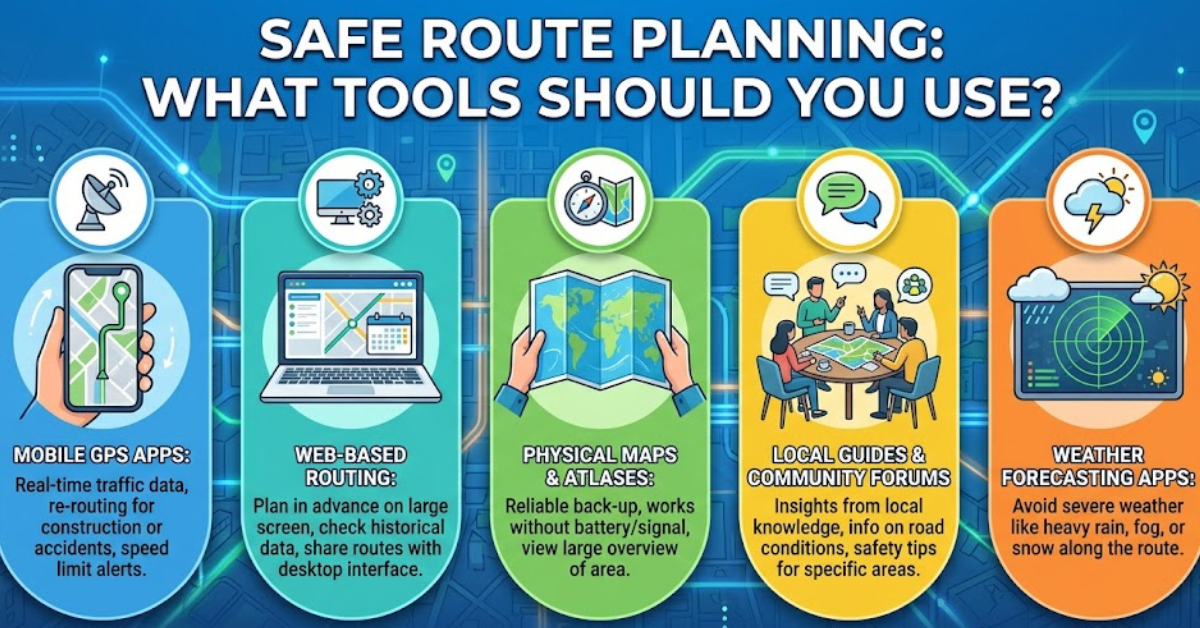
1. GPS Navigation Systems
GPS (Global Positioning System) tools like Google Maps, Apple Maps, and dedicated car navigation systems are essential.
They help you:
- Get real-time directions
- Avoid traffic congestion
- Reroute automatically during delays
- Find the safest available roads
GPS is one of the most reliable answers to you are planning a safe route. which of these should you plan to use?
2. Updated Road Maps
Traditional and digital road maps provide a clear overview of routes, highways, and alternative paths.
They help you:
- Understand multiple route options
- Identify highways vs. local roads
- Plan backup routes in case of emergencies
Even in the digital age, maps remain a foundational tool for safe travel planning.
3. Real-Time Traffic Information
Traffic data is crucial for avoiding unsafe or delayed routes.
Use apps or services that show:
- Traffic congestion levels
- Accidents or roadblocks
- Lane closures or construction zones
This ensures your route is not just short—but safe and efficient.
4. Weather Forecast Tools
Weather can significantly affect road safety. Rain, fog, snow, or storms can make certain routes dangerous.
Always check:
- Local weather updates
- Storm alerts
- Visibility and road condition reports
Ignoring weather conditions can turn a simple trip into a risky journey.
5. Official Transportation and Safety Websites
Government or transportation authority websites provide verified updates on road closures, repairs, and safety warnings.
These sources are especially useful for:
- Long-distance travel
- Highway route planning
- Emergency detours
How to Choose the Safest Route
When deciding between multiple paths, follow these steps:
- Open a GPS navigation app
- Compare available routes
- Check traffic conditions
- Review weather updates
- Avoid high-risk roads or construction zones
- Select the route with the lowest safety risk, not just shortest distance
This method directly answers you are planning a safe route. which of these should you plan to use? by combining multiple reliable inputs.
Common Mistakes to Avoid
Many travelers make simple errors that compromise safety:
- Relying on outdated maps
- Ignoring weather conditions
- Choosing the shortest route without checking traffic
- Not setting up alternative routes
- Trusting unfamiliar or unverified apps
Avoiding these mistakes significantly improves travel safety.
Why Safe Route Planning Matters
Safe route planning isn’t just about convenience—it’s about protecting lives. Proper planning reduces:
- Accident risks
- Travel delays
- Vehicle wear and tear
- Stress during travel
In emergencies, a well-planned route can even save lives by ensuring faster access to hospitals or safe zones.
FAQs
1. What is the best tool for planning a safe route?
GPS navigation apps combined with real-time traffic and weather updates are the most effective tools.
2. Why is route planning important for safety?
It helps avoid dangerous roads, traffic congestion, and unexpected hazards like weather or construction.
3. Should I rely only on GPS for safe travel?
No. GPS should be combined with weather updates and official road information for best results.
4. What factors affect safe route planning?
Traffic conditions, weather, road quality, distance, and emergency accessibility all play a role.
5. Can weather change my travel route?
Yes. Severe weather conditions may require rerouting for safety reasons.
Conclusion
So, you are planning a safe route. which of these should you plan to use? The answer is clear: use a combination of GPS navigation systems, updated maps, real-time traffic data, weather forecasts, and official transportation sources.
Safe route planning is about making informed choices, not rushed decisions. By using the right tools and checking conditions before and during your journey, you ensure a safer, smoother, and more reliable travel experience every time.