
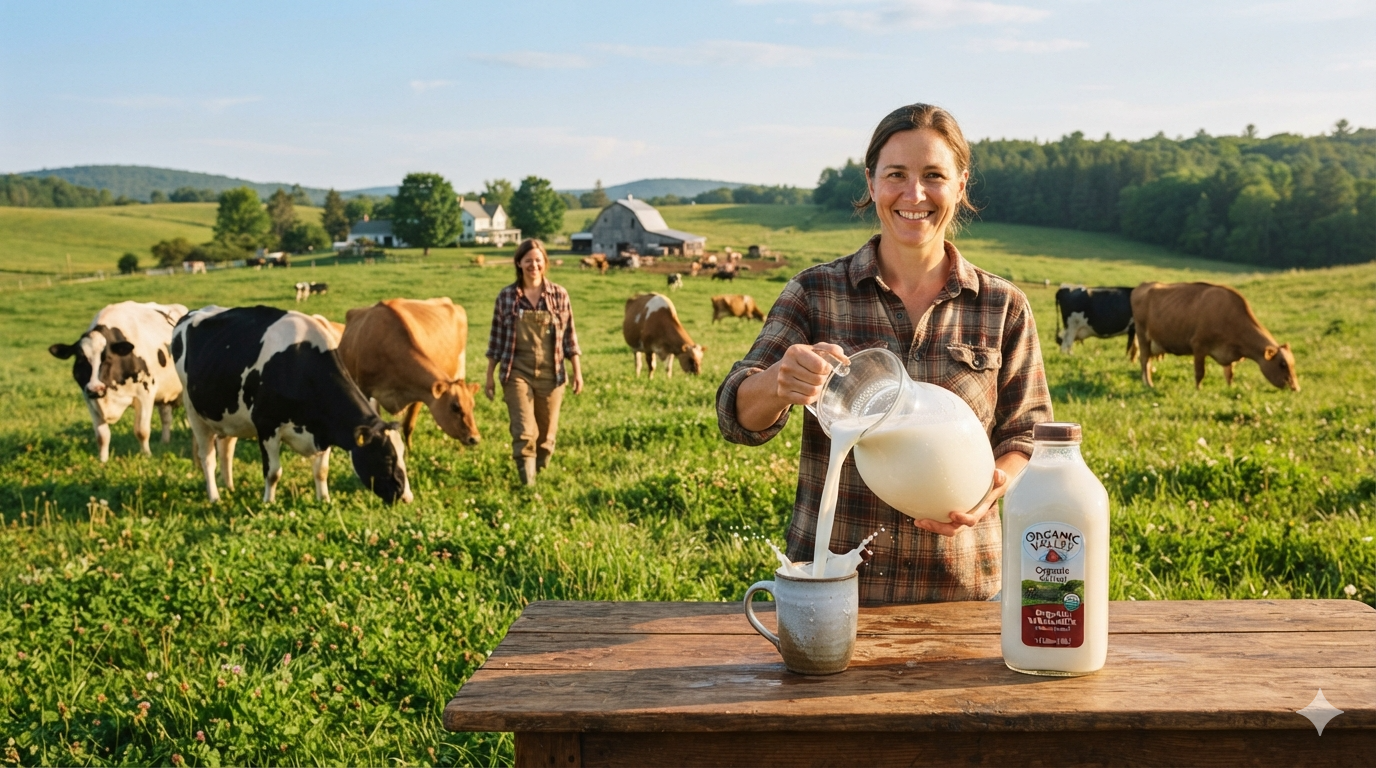
Have you ever wondered what makes certain dairy drinks taste so fresh and pure? When you walk down the supermarket aisle, you will see many cartons, but one special label always stands out. We are talking about organic milk, a wholesome beverage produced under very strict farming rules. Unlike regular milk, this type comes from cows that enjoy a much more natural lifestyle. Farmers who make this healthy drink never use synthetic pesticides or chemical fertilizers on their fields. This means the green grass the cows eat is completely clean and safe. When you pour a cold glass of this creamy goodness into your favorite cup, you are tasting pure nature without any hidden extras. It is a wonderful choice for people who want to keep their diet simple, clean, and close to the earth.
The Happy Life of Dairy Cows
Content cows make the best dairy products you can buy. On traditional farms, animals might stay inside crowded barns all day long. In contrast, the cows that produce organic milk spend plenty of time outdoors under the warm sun. They roam around lush green pastures, munching on fresh clover and natural grass. Farmers treat these gentle creatures with deep respect and care. They never use artificial growth hormones to make the cows produce extra milk quickly. Furthermore, if a cow gets sick, the farmer uses safe, natural remedies first. This gentle care keeps the animals calm, healthy, and happy. When you understand how well these cows live, it feels even better to enjoy a tall glass of your favorite dairy drink every single morning.
No Synthetic Pesticides on the Farm
Keeping our food clean starts right in the soil. Traditional farms often spray their crops with powerful chemical pesticides to keep bugs away. Unfortunately, these strong chemicals can sink into the ground and eventually end up in the animal feed. On the other side, organic milk comes from farms that completely ban synthetic sprays. The crops grow naturally using sunshine, rain, and healthy compost. Because the feed is totally pure, the cows do not ingest any unwanted chemical residues. This strict rule protects our rivers, our soil, and our local wildlife from pollution. When you choose this clean beverage, you are also voting for a healthier planet. It is an easy way to make a big, positive difference for Mother Earth while enjoying a tasty snack.
Zero Artificial Growth Hormones
Did you know that some dairy farms use special medicines to make animals grow faster and produce more milk? These man-made substances can change the natural balance of the animal’s body. However, the rules for organic milk are completely different and much stricter. Farmers are never allowed to give their cows synthetic growth hormones or routine antibiotics. Instead, they let the animals grow at their own normal, healthy pace. This means the milk you drink is just as nature intended it to be. Parents love this feature because they want to feed their growing kids food that is free from weird additives. Knowing that your morning cereal bowl is full of pure, hormone-free goodness gives you true peace of mind.
Packed with Natural Nutrients
A healthy body needs good fuel to run properly. Luckily, organic milk is a nutritional powerhouse that helps keep your bones strong and your muscles working. Because the cows eat fresh grass packed with vitamins, their milk contains wonderful nutrients. You get a huge boost of calcium for your teeth and protein for your daily adventures. Some studies even show that this special milk has higher levels of healthy fats, like omega-3s, compared to regular milk. These friendly fats are fantastic for your heart and brain. Drinking just one cup a day gives your body a wonderful shield of wellness. It is like taking a delicious vitamin supplement that comes straight from a cool, refreshing carton.
Comparing Organic and Regular Milk
Choosing between different types of cartons at the store can feel a bit confusing. Let us break down the main differences in a very simple way. Regular milk comes from cows that may eat standard feed and receive conventional care. On the other hand, organic milk follows strict government rules regarding animal care, feed quality, and land use. While both options provide great calcium and protein, the organic choice guarantees no synthetic chemicals touched the process from farm to table. To help you see the differences clearly, check out this simple comparison table below:
| Feature | Regular Milk | Organic Milk |
| Cow Diet | Standard feed, grains | 30% minimum pasture grazing, organic feed |
| Hormones | May use synthetic growth hormones | Strictly prohibited |
| Antibiotics | Used routinely in some cases | Prohibited for routine use |
| Pesticides | Possible residues on feed crops | Zero synthetic pesticides used |
| Shelf Life | Standard pasteurization times | Often ultra-pasteurized for longer life |
Taste Test: Does It Taste Different?
Many people ask if this special dairy drink tastes any different from the standard carton in their fridge. The truth is that the flavor can sometimes surprise you in a very good way. Because the cows enjoy a diet full of fresh pasture grass and natural clover, the milk often has a richer taste. Some folks describe it as having a slightly sweeter, creamier finish on the tongue. However, the exact taste can also depend on how the dairy company processes the liquid. Pasteurization and homogenization play a big role in the final flavor. If you want to experience the true difference, pour a small glass of organic milk side-by-side with regular milk. You might just notice a fresher, more natural flavor profile that reminds you of the countryside.
Is It Worth the Extra Cost?
When you look at the grocery store price tags, you will notice that organic milk usually costs a bit more money. This is completely normal, and it often makes shoppers pause to think. Producing this pure beverage takes a lot more time, land, and careful management. Farmers must pay for certified organic feed, which is more expensive to grow without chemical sprays. Furthermore, the cows produce less milk because they are not forced with artificial boosters. When you buy this item, you are paying for higher animal welfare standards and cleaner farming methods. Many families decide that investing a few extra coins is worth it for their health and the environment. It all comes down to what matters most to your household budget and lifestyle.
Caring for Our Planet and Soil
Farming is a big job that shapes the world around us. Traditional farming methods can sometimes wear out the soil over many years. In contrast, organic milk producers use smart crop rotation and natural compost to keep the earth rich and fertile. This careful approach prevents soil erosion and keeps local water supplies sparkling clean. Bees, butterflies, and helpful bugs thrive on these chemical-free farms because there are no harsh toxins in the air. When farmers protect the land, they ensure that future generations can grow delicious food too. Choosing this eco-friendly drink means you are helping to protect our planet’s precious natural resources. It is a small choice at checkout that creates a massive ripple of goodness.
Simple Ways to Enjoy It Every Day
Adding this healthy beverage to your daily routine is super easy and fun. You can pour a cold glass of organic milk to go with your favorite chocolate chip cookies after school. It also makes your morning bowl of oatmeal taste extra creamy and delicious. If you love smoothies, blend it up with some fresh bananas and strawberries for a quick breakfast treat. You can even use it to make warm hot chocolate on a chilly winter evening. Because it works just like regular milk, you do not have to change any of your favorite recipes. Just swap out your usual carton, and enjoy the pure, natural goodness in every single bite and sip you take.
Frequently Asked Questions
What does organic milk mean?
It means the milk comes from cows raised without synthetic hormones, antibiotics, or chemical pesticides on their feed.
Is organic milk healthier than regular milk?
Both provide great calcium and protein, but the organic version often contains more healthy omega-3 fatty acids from grass feeding.
Why does organic milk cost more?
It costs more because organic feed is expensive, farms require more land, and the cows produce less milk naturally.
Can kids drink organic milk?
Yes, absolutely! It is safe, nutritious, and free from synthetic chemicals, making it a great choice for growing children.
Does organic milk expire faster?
Not always. Many organic brands use a special heating process called ultra-pasteurization, which actually helps them last longer in the fridge.
Do cows suffer on organic farms?
No, the rules require farmers to treat animals humanely, giving them outdoor access and plenty of space to roam.
Conclusion
We have explored the wonderful world of organic milk together today. From happy cows grazing in sunny pastures to clean soil and zero synthetic chemicals, this beverage offers amazing benefits. It gives your body strong bones, supports eco-friendly farming, and tastes wonderfully fresh. While it may cost a little extra, the peace of mind and natural nutrition are truly worth it.