If you’ve spent any time on TikTok, Instagram, or texting with friends, you’ve probably come across the word “pookie.” It’s one of those cute expressions that seems to be everywhere online, but many people still aren’t sure exactly what it means.
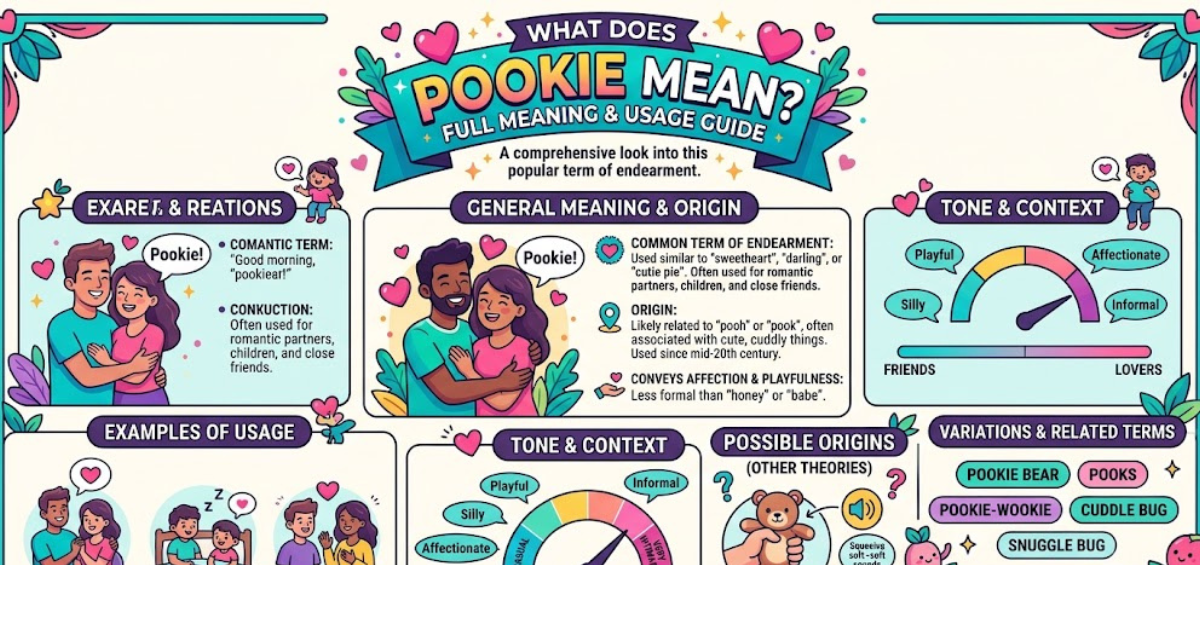
In simple terms, pookie is an affectionate nickname used to show fondness, love, or admiration for someone. Whether it’s used between romantic partners, close friends, family members, or even pets, the word typically carries a warm and playful tone.
Let’s take a closer look at where this nickname came from, why it’s trending online, and how people use it in everyday conversations.
The Meaning Behind Pookie
Pookie is a term of endearment. It’s similar to nicknames such as:
- Baby
- Babe
- Sweetheart
- Honey
- Darling
- Cutie
People often use it to make someone feel loved, appreciated, or special. Unlike some slang terms that have specific definitions, this nickname is flexible and can mean slightly different things depending on the relationship.
For example:
- “Good morning, pookie!”
- “You’re my favorite person.”
- “I miss you so much.”
In each case, the word expresses affection rather than a literal meaning.
Where Did This Nickname Come From?
The exact origin isn’t entirely clear, but the term has existed for decades. Long before social media made it trendy, families and couples used it as a playful pet name.
Many affectionate nicknames evolve naturally because they sound cute rather than because they have a specific definition. Similar examples include “pumpkin,” “snookums,” and “lovebug.”
Over time, internet culture helped revive the word, introducing it to younger audiences who embraced it as both a genuine term of affection and a humorous meme.
Why Is It So Popular Online?
Social media platforms have played a major role in the nickname’s resurgence.
Users frequently refer to:
- Romantic partners
- Best friends
- Celebrities
- Fictional characters
- Pets
The appeal comes from its lighthearted nature. It sounds playful, slightly silly, and instantly recognizable.
Many viral posts use the term in a joking way, such as:
- “Protect pookie at all costs.”
- “Pookie is having a great day.”
- “That’s my pookie.”
These phrases blend humor with affection, making them perfect for internet culture.
How It’s Used in Relationships
Among couples, the nickname often serves the same purpose as other romantic pet names.
People may use it to:
- Show affection
- Create intimacy
- Express care
- Strengthen emotional bonds
Examples include:
- “Have a great day, pookie.”
- “Love you.”
- “You always make me smile.”
Because it’s informal and sweet, many couples enjoy using it in texts and casual conversations.
Can Friends Use It Too?
Absolutely.
Despite its romantic reputation, the nickname isn’t limited to couples. Friends frequently use it as a playful way to show appreciation and closeness.
For instance:
- “Thanks for helping me today.”
- “You’re the best.”
- “Miss you already.”
In these situations, there’s usually no romantic meaning attached. It’s simply a friendly expression of affection.
The TikTok Influence
TikTok has transformed countless words into viral trends, and this nickname is no exception.
Creators often use it when talking about:
- Celebrity crushes
- Favorite influencers
- Friends
- Partners
- Fictional characters
The term has become part of a broader trend where users adopt exaggeratedly cute language for comedic effect. Even people who don’t regularly use pet names in real life may use it online because it’s funny and relatable.
Popular Variations
As the nickname gained popularity, several creative versions emerged.
Pookie Bear
One of the most common variations. Adding “bear” makes the nickname even more affectionate.
Pooks
A shortened version often used in texts and social media comments.
My Pookie
A possessive variation that emphasizes closeness and affection.
Pookie Wookie
A humorous rhyming version that adds extra playfulness.
These alternatives allow people to personalize the nickname while keeping its original charm.
Is It Always Romantic?
Not at all.
The meaning depends entirely on context and the relationship between the people involved.
Someone might use the nickname for:
- A boyfriend or girlfriend
- A spouse
- A best friend
- A sibling
- A child
- A pet
Because of this flexibility, it’s considered one of the more versatile terms of endearment in modern slang.
When Should You Use It?
The nickname works best in casual settings.
Appropriate situations include:
- Text messages
- Social media comments
- Conversations with loved ones
- Family interactions
- Pet names
It’s generally not suitable for professional environments, formal emails, workplace communication, or academic settings.
As with any affectionate term, it’s important to make sure the other person is comfortable with it.
Why People Love Cute Nicknames
Affectionate language has always been part of human relationships.
Nicknames often help people:
- Build emotional connections
- Show appreciation
- Create a sense of belonging
- Strengthen friendships
- Express affection in a unique way
That’s one reason cute pet names continue to remain popular across generations.
Similar Terms of Endearment
If you like the sound of pookie, you may also hear people use:
- Babe
- Baby
- Boo
- Honey
- Sweetie
- Angel
- Pumpkin
- Lovebug
- Bestie
- Darling
Each carries a slightly different tone, but all are used to express warmth and affection.
Frequently Asked Questions
Is pookie a compliment?
Yes. In most situations, it’s meant as a loving and affectionate nickname.
Can friends call each other pookie?
Definitely. Many people use it platonically among close friends.
Why is the word popular on TikTok?
The platform helped turn it into a viral expression through memes, trends, and humorous videos.
Does it only refer to romantic partners?
No. It can be used for friends, family members, children, and pets as well.
Is it considered slang?
Today, it’s commonly viewed as internet slang, although it has existed for much longer than social media.
Conclusion
Pookie is more than just a trendy internet word. It’s a playful nickname that conveys affection, closeness, and warmth. Whether it’s directed toward a partner, best friend, family member, or beloved pet, the intention is usually the same: making someone feel special.
Its recent rise on social media has introduced the term to a new generation, but the appeal remains timeless. Cute nicknames have always helped people express care and strengthen relationships, and this one continues to do exactly that.